العربية
 Türkçe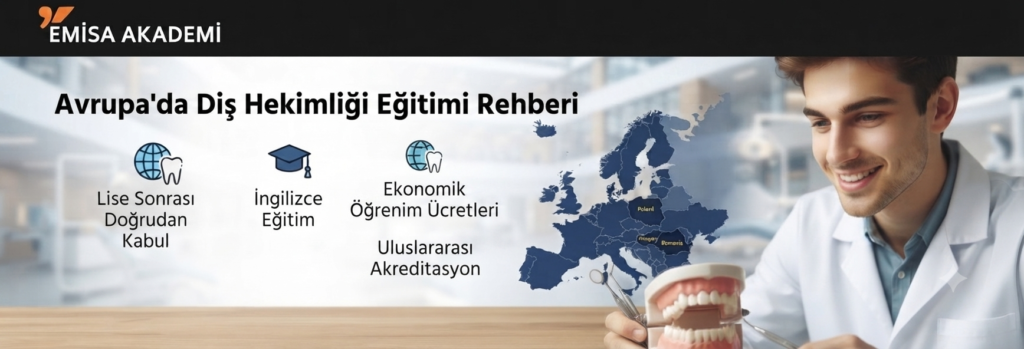
Study Dentistry in Europe in English for International Students 2026
Studying dentistry in Europe is one of the most sought-after and professionally rewarding specialties for international students. European universities offer English-taught dentistry programs at a significantly lower cost compared to the UK and the US. In this comprehensive guide, we review the best countries, actual tuition fees, study duration, and admission requirements for 2026.
Why Study Dentistry in Europe?
-
Direct Admission: Possibility of direct admission after high school without the need for a lengthy preparatory year.
-
Wide International Recognition: Colleges are listed in the World Directory of Medical Schools and are recognized both in Europe and globally.
-
Advanced Clinical Training: Early practical and clinical training in university clinics equipped with the latest technologies.
-
High Professional Return: Broad job opportunities and the possibility of opening a private clinic after graduation and practicing the profession.
Duration of Dentistry Studies in Europe
The duration of study varies based on the country and the system followed by the university:
-
5 Years: Followed in countries such as Poland, Hungary, Latvia, Lithuania, and Malta.
-
6 Years: Followed in Romania, Bulgaria, Croatia, and Italy.
Practical Tip for International Students: The 5-year program saves you a full year of tuition fees and living expenses — a real financial difference when planning your budget.
Annual Dentistry Tuition Fees by Country and University (2026)
| Approximate Annual Fees | University / Country | Program Features |
| 6,000 – 10,000 EUR | Romania (General) | One of the most affordable in Europe |
| From 9,000 EUR | Titu Maiorescu (Romania) | Well-known and in-demand English program |
| Around 7,000 EUR | Serbia | Outstanding economical option |
| 8,000 – 10,000 EUR | Bulgaria (Sofia / Plovdiv) | International academic environment |
| Around 11,000 – 13,500 EUR | Slovakia (Šafárik) | Advanced and long-standing programs |
| Around 12,400 EUR | Charles University (Czech Republic) | One of the oldest in Central Europe |
| 13,500 – 14,000 EUR | Latvia (RSU) / Lithuania (LSMU) | Very strong 5-year programs |
| Around 16,400 EUR | Semmelweis (Hungary) | Very high academic reputation globally |
| From 16,000 EUR | Medical University of Warsaw (Poland) | One of the strongest medical faculties in Poland |
-
Living Cost: Usually ranges between 500 and 1,000 EUR per month depending on the European city and country.
-
Note: Figures and dates are approximate and verified from official sources for 2026; they may change annually and vary by university. At Emisa Akademi, we verify the final details from the official source before taking any step.
Admission Requirements for English-Taught Dentistry in Europe
-
High school diploma with a grade of very good to excellent, with a strong focus on biology and chemistry.
-
Passing a university entrance exam in most universities (focusing mostly on biology and chemistry), and sometimes a personal interview.
-
Providing proof of English language proficiency (such as certified certificates) or passing the university’s internal language test.
Important Warning: The number of seats allocated for international and foreign students is very limited in some universities; therefore, early application is absolutely essential to guarantee acceptance.
Practicing the Profession After Graduation for International Students
The degree is recognized within the European Union and internationally. To practice the profession, the graduate needs to equate the degree and pass the professional licensing exam in the target country of work (such as the ORE exam in the UK, or exams from local and regional health authorities).
Frequently Asked Questions About Studying Dentistry in Europe
What is the cheapest country to study dentistry in Europe for international students?
Romania, Serbia, and Bulgaria are among the most economical options, with tuition fees starting from about 6,000 to 7,000 EUR per year.
Is studying dentistry easier to get accepted into than general medicine?
Not necessarily; available seats are often fewer in many universities compared to general medicine, which makes competition intense at times despite the shorter duration of some dentistry programs.
Start Your Academic Journey with Emisa Academy
At Emisa Akademi, we recommend the most suitable university for you based on your budget and academic GPA, and we closely assist you in securing limited seats for international students. Always remember that delaying your application for dentistry usually means losing your study seat.
Contact us today to begin your journey toward academic excellence for 2026.